When Should You Re-Stain Your Wood Deck And Fence?
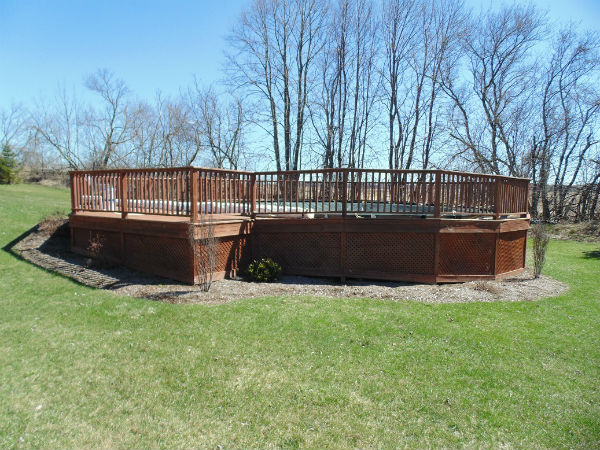
Wisconsin weather is hard on exterior wood. Freeze–thaw cycles, bright summer sun, lake-effect moisture, and long winters all work the finish on your deck and fence. If you are asking how often to stain a deck or when a fence needs fresh protection, you are not alone in Germantown, WI. This guide explains the real-world signs, timing, and pro-level solutions, and shows when exterior wood staining from Golden Rule Painting keeps your outdoor spaces looking their best.
If you are comparing deck staining services in Germantown, WI, you will see plenty of opinions online. What matters most is reading the condition of your specific wood and timing work around our local climate. The points below make it simple to plan with confidence.
What Drives Your Re-Stain Timeline In Germantown, WI
There is no single date on the calendar for every deck or fence. Several local factors set the pace for exterior wood finishing in Washington County:
- Sun exposure and orientation. South and west sides fade faster and dry out sooner after storms.
- Moisture patterns. Snow drift, spring rains, and shaded yards keep wood damp longer.
- Traffic and use. Grill paths, steps, and landing zones wear first on decks. Gates and caps show it early on fences.
- Product type and color. Transparent tones show wear sooner than semi-solid or solid finishes. Dark colors take more UV.
- Wood species and age. Cedar and treated pine weather differently, especially at end grain and fasteners.
Put simply, horizontal deck boards usually need attention sooner than vertical fence pickets. Many households in the Germantown and Menomonee Falls area check their deck annually and refresh high-wear sections before the rest.
Clear Signs Your Deck Or Fence Needs Attention
You do not have to guess. When you see several of these at once, the finish is nearing the end of its service window:
- Color looks flat or chalky even after normal cleaning
- Water soaks in fast and darkens the surface instead of beading
- Gray patches, bare spots on sunny boards, or splintering rails
- Dark blotches or greenish film that returns quickly
- Peeling or flaking stain on steps, landings, and top rails
Do not wait for deep cracks or soft spots. At that stage, moisture has started to damage the wood fibers, and repairs become more likely.
Local insight: In Washington County, spring melt and fall leaves can trap moisture on horizontal surfaces. Even a solid-looking finish may be near failure if water stops beading after a few minutes. Booking re-staining during stable, drier stretches avoids last-minute weather delays.
Decks vs. Fences: Why They Age At Different Speeds
Decks carry furniture, foot traffic, pets, snow shovels, and standing water after storms. Fences deal more with sun, wind, and sprinklers. That is why steps, stair noses, landings, and open south-facing boards on decks in neighborhoods near County Line Road or Mequon Road tire out first, while fence post caps and street-facing sides fade before the rest. A smart plan often refreshes high-wear deck zones more often than full fence runs, keeping everything even and protected.
Seasonal Timing That Works In Southeast Wisconsin
Great results start with stable conditions. In our climate, pro crews look for a clear weather window with mild temperatures and consistent overnight lows. Late spring and late summer into early fall commonly align well for projects around Germantown, Mequon, and Cedarburg. Shade, nearby water, and heavy tree cover can slow morning dry times, so sequencing sides during the day helps quality and consistency.
Want a quick primer on how temperature swings and dew points affect coatings? See our short read on timing and conditions for exterior work inside this related article from our blog: a simple guide to re-staining timelines.
Peeling Deck Stain: What It Means And How A Pro Solves It
Peeling is not just a cosmetic issue. It is a sign the previous film has lost grip or moisture is pushing from below. It appears first on horizontal deck boards, stair treads, and top rails where sun and water beat down together. Peeling deck stain solutions start with a trained evaluation to decide if targeted restoration or a full system change is smarter. That may include deep cleaning, mechanical removal, or switching from a film-forming product to a more breathable system that suits your wood, exposure, and goals.
Because lasting results depend on clean, sound surfaces, pairing your project with professional pressure washing prepares the wood and helps the new finish bond as intended. That way your next finish does its job protecting color and fibers through our winters.
How Often To Stain A Deck Or Fence In Real Life
Think in ranges, then adjust for your property. Many Germantown homeowners plan a quick pro check each year and re-coat roughly every two to three seasons for active decks. Lighter-use decks in partial shade can go longer, while dark colors, wide-open sun, and lake-effect moisture shorten the window. Fences usually stretch further between full coats because water sheds faster on vertical boards, though gates and caps may need earlier touch-ups.
Aim to act before widespread color loss. Re-staining while the finish still has some life left protects the wood and keeps the next coat looking smooth, instead of chasing failures that require deeper restoration.
Your Maintenance Rhythm, Simplified
Homeowners around Germantown, Jackson, and Richfield get strong results with a simple yearly rhythm:
Each year, schedule a quick professional look at high-wear areas. If those zones have thinned, a targeted refresh can extend the life and appearance of the whole surface. When wear has spread, a full re-stain keeps the deck or fence protected, consistent, and comfortable for the seasons ahead. This approach prevents small problems from becoming wood repairs and keeps schedules predictable.
For an overview of finish options, system choices, and examples, you can always explore our page on deck and fence staining to see how Golden Rule Painting pairs products, prep, and timing with local conditions.
Common Myths That Cost Homeowners Time
Myth: “If water beads a little, I am fine for another year.” Beading that disappears quickly is an early warning. Small zones of absorption on sunny boards tell you protection is thinning where you need it most.
Myth: “Fences never need attention as often as decks.” Fences do last longer on average, but sun-baked street sides and decorative caps can fail early. Touching up those parts keeps the rest on schedule.
Myth: “One brand or color solves everything.” Product, color, and wood species interact with sun and moisture in different ways. A finish that excels in a shady backyard can behave differently on a wide-open, south-facing deck.
Why Choose Golden Rule Painting For Exterior Wood Finishing
We work in Southeast Wisconsin every week, so our crews match product systems to local sun, moisture, and seasonal swings. You get a clear, written plan built for your deck or fence, not a one-size guess. Our painting services team protects landscaping and hardscapes, sequences work to fit the forecast, and communicates so you know what happens next. When it is time, we schedule your project in a stable window for strong results that look great through the next seasons.
Prefer to read more before you schedule? This quick overview on our blog shares timing tips and helpful context for Wisconsin homeowners: how often should you re-stain.
Next Steps For Germantown, WI Homeowners
Seeing gray areas, chalky color, or early peeling? That is the right moment to bring in a pro. A short visit from Golden Rule Painting confirms timing and maps the smartest plan for your wood species, exposure, and goals. If your finish still has life, we can target the hot spots. If a full update is smarter, we align preparation and products to protect your investment and keep your space comfortable.
Ready to plan with confidence? Start with a quick call to 262-353-5907 and ask about scheduling during a stable weather window. For scope details and options, see our page on exterior staining services to understand how the process protects color and wood fibers across Wisconsin seasons.